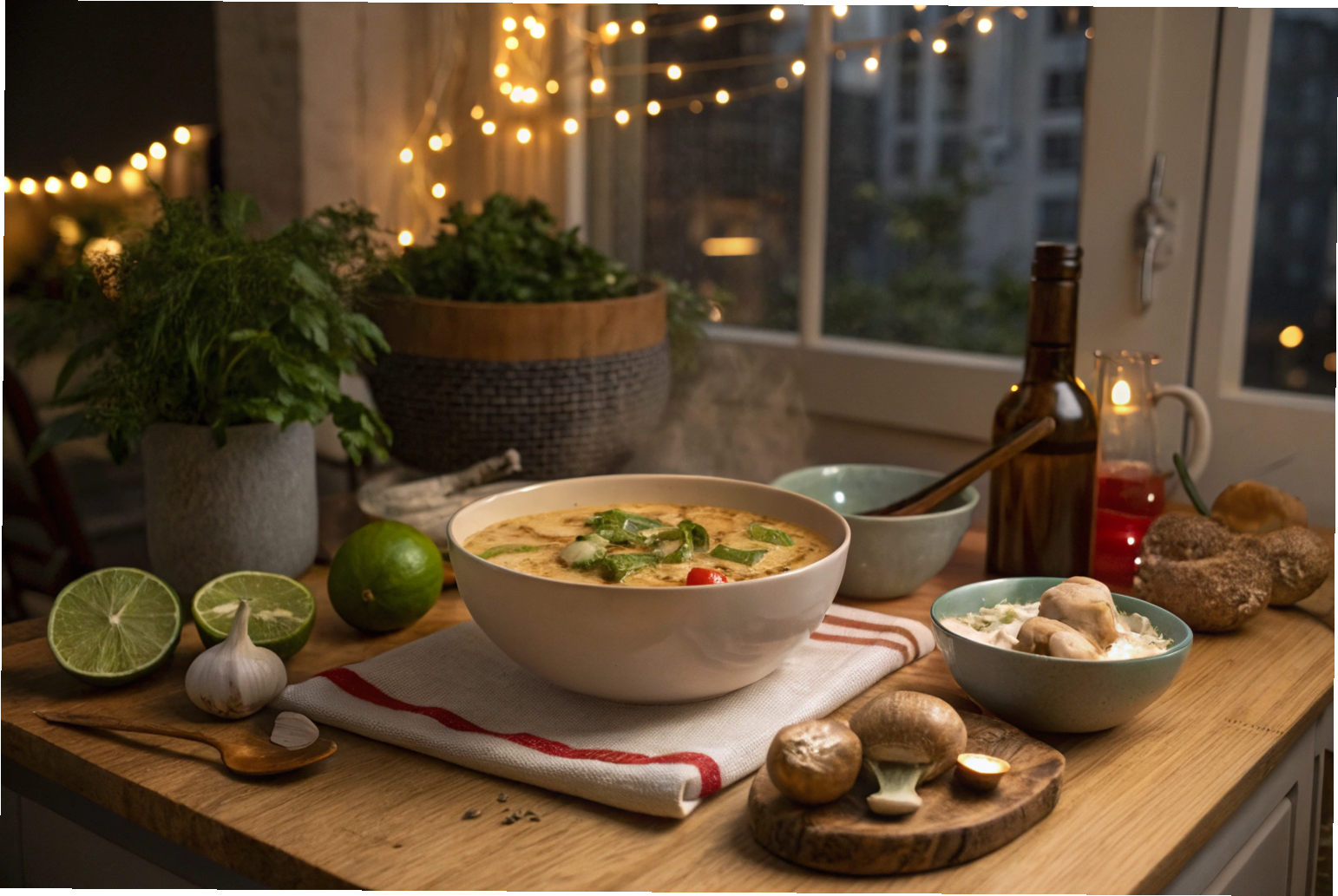
Cozy & Quick: Thai Coconut Soup for Weeknights & Family Meals
The moment the rich, aromatic steam of Thai Coconut Soup drifts from the kitchen, a wave of warmth and anticipation washes over you. It's a culinary embrace, transporting you instantly to bustling Bangkok streets or a tranquil Thai café, even on the most ordinary weeknight. This isn't just soup; it's an experience—a vibrant tapestry of creamy coconut, fragrant red curry, and zesty lime, perfectly balanced to soothe the soul and excite the palate. For those who crave bold, comforting flavors without the fuss, this
thai coconut soup promises to be an instant family favorite, turning routine dinners into something truly special.
The Allure of Thai Coconut Soup: A Symphony of Flavors
Often known by its traditional name, Tom Kha Kai (or Gai, meaning chicken), Thai Coconut Soup is a masterpiece of balance. It masterfully marries the inherent richness of full-fat coconut milk with a dynamic interplay of spicy, sour, salty, and sweet notes. Unlike many creamy soups that can feel heavy, Tom Kha Kai maintains a remarkable lightness, thanks to the judicious use of fresh aromatics and the bright acidity of lime. Each spoonful delivers a multi-layered sensation: the initial creaminess yielding to a gentle heat from red curry paste, quickly followed by the tangy lift of lime and the savory depth of fish sauce. Tender pieces of chicken and vibrant bell peppers dance within the broth, adding substance and satisfying texture. It's a comforting elixir on a chilly evening, yet its fresh and zesty character makes it equally delightful year-round. This unique combination makes
thai coconut soup not just a meal, but a comforting journey for your taste buds, consistently impressing both seasoned foodies and picky eaters alike.
Crafting Culinary Magic: Essential Ingredients for Your Best Thai Coconut Soup
The secret to an unforgettable
thai coconut soup lies in understanding the role of its core ingredients and how to coax the most flavor from each. While some traditional ingredients like galangal, lemongrass, and kaffir lime leaves add unparalleled depth, a truly delicious version can still be achieved with readily available items, making it perfect for the home cook.
*
Coconut Milk: The Heart of the Soup
Always opt for full-fat coconut milk. It provides the luxurious creaminess and richness that defines this soup, a texture that simply can't be replicated by lighter alternatives. Before opening, shake the can vigorously to ensure the fat and water are fully emulsified, guaranteeing a smooth, uniform broth.
*
Red Curry Paste: The Soulful Kick
This concentrated paste is where much of the soup's characteristic flavor and warmth comes from. To truly awaken its complex notes of chili, garlic, shallots, and spices, always toast it briefly in a little oil before adding liquids. This vital step deepens the flavor profile, allowing the aromatics to bloom and infuse the entire soup with their essence.
*
Fish Sauce: The Umami Elixir
More than just salt, fish sauce brings a profound umami depth that is irreplaceable in Thai cuisine. Add it slowly, tasting as you go. This allows you to perfectly balance the soup's overall saltiness and savory complexity without overpowering the delicate coconut or bright lime.
*
Fresh Lime Juice: The Zesty Brightener
This is non-negotiable. Freshly squeezed lime juice provides an unparalleled tang and aromatic lift that bottled juice simply cannot match. It's added at the very end to preserve its vibrant flavor, cutting through the richness of the coconut milk and brightening every single bite.
*
Chicken Breasts: Tender and Juicy
For optimal texture and even cooking, slice chicken breasts thinly against the grain. A quick pre-soak in a pinch of salt can also contribute to extra juiciness, ensuring your chicken remains tender and never dry. Shrimp or firm tofu are excellent substitutes for customization.
*
Aromatics & Vegetables: Building the Base
Finely minced garlic and small-diced onions are gently sautéed until fragrant but not browned, providing a foundational sweetness and aroma without any raw crunch. Red bell peppers, sliced into thin strips, add beautiful color, a tender bite, and a touch of sweetness. Fresh cilantro, chopped loosely and sprinkled on top just before serving, provides a burst of freshness and a visually appealing garnish.
*
Chicken Broth: The Flavor Enhancer
Using low-sodium chicken broth allows you precise control over the overall seasoning, ensuring the vibrant coconut and curry flavors shine through without being masked by excessive salt.
For those eager to dive deeper into the nuances of ingredient selection and preparation, explore
Mastering Thai Coconut Soup: Essential Tips for Perfect Tom Kha Gai for even more expert advice.
Mastering the Method: Your Path to a Perfect Weeknight Thai Coconut Soup
The beauty of this
thai coconut soup lies not just in its flavor, but also in its surprising simplicity. With a few key techniques, you can achieve restaurant-quality results in under 30 minutes, making it a dream for busy weeknights.
1.
Prepare Your Proteins: Start by thinly slicing your chicken breasts. If using the salt-soaking tip, do this first. Set aside.
2.
Sauté Aromatics: In a large pot or Dutch oven, heat a tablespoon of neutral oil over medium heat. Add your finely minced garlic and small-diced onions. Sauté gently for 2-3 minutes until softened and fragrant, taking care not to burn the garlic. This gentle cooking extracts sweetness from the onions and deepens the garlic's aroma.
3.
Awaken the Curry Paste: Push the aromatics to one side of the pot and add your red curry paste to the exposed oil. Stir and toast it for 1-2 minutes. You'll notice the aroma intensifying dramatically as the flavors bloom.
4.
Build the Broth: Gradually pour in a splash of chicken broth, stirring to scrape up any browned bits from the bottom of the pot. Then, add the remaining low-sodium chicken broth and the full-fat coconut milk (remember to shake the can!). Stir everything together until well combined.
5.
Simmer and Cook: Bring the soup to a gentle simmer over medium heat. Once simmering, add your thinly sliced chicken pieces and red bell pepper strips. Cook for 5-7 minutes, or until the chicken is cooked through and the bell peppers are tender-crisp. Avoid boiling vigorously, as this can cause the coconut milk to separate.
6.
Season to Perfection: Remove the pot from the heat. This is a crucial step for preserving the fresh, vibrant notes. Stir in the fish sauce, starting with a smaller amount and gradually adding more to taste. Follow with a generous squeeze of fresh lime juice. Taste and adjust. Does it need more tang? More savoriness? A touch more heat? This final seasoning step is where your soup truly comes alive.
7.
Garnish and Serve: Ladle the hot
thai coconut soup into bowls. Garnish generously with fresh cilantro, which adds a burst of green and a clean finish. Serve immediately, ideally over fluffy steamed jasmine rice to soak up every last drop of the exquisite broth.
Beyond the Bowl: Serving, Storing, and Customizing Your Thai Coconut Soup
This versatile
thai coconut soup is more than just a recipe; it's a foundation for endless culinary exploration.
*
Serving Suggestions: While delicious on its own, serving your Thai coconut soup over steamed jasmine rice is the classic way to enjoy it. The rice absorbs the flavorful broth, adding another layer of comfort and satiety. A side of fresh spring rolls or a simple cucumber salad can complement the meal beautifully.
*
Customization for Every Palate:
*
Protein Swaps: Not a fan of chicken? Shrimp cooks even faster, making it an excellent alternative for a super-quick meal. Tofu, paneer, or even chickpeas can be used for a vegetarian-friendly option. Simply adjust cooking times accordingly.
*
Vegetable Boost: Feel free to add other quick-cooking vegetables like sliced mushrooms, snap peas, baby corn, or spinach.
*
Spice Level: For those who love more heat, a pinch of red chili flakes or a finely sliced fresh bird's eye chili can be added along with the curry paste. For a milder soup, reduce the amount of red curry paste slightly.
*
Authentic Touches: If you can find them, thin slices of galangal, bruised lemongrass stalks, and kaffir lime leaves (removed before serving) will elevate the aroma to truly authentic levels.
*
Storage & Reheating:
Leftover Thai coconut soup stores wonderfully in an airtight container in the refrigerator for up to three days. Reheat gently on the stovetop over low heat, stirring occasionally, or in the microwave. The flavors often deepen overnight, making for an even more satisfying lunch the next day.
*
Freezing - A Word of Caution: While tempting for meal prep, we generally don't recommend freezing Thai coconut soup. The high fat content of coconut milk tends to separate during the freezing and thawing process, resulting in a grainy, less appealing texture. It's best enjoyed fresh or within a few days from the fridge.
For more inspiration on how to adapt this incredible dish to your taste, including vegetarian and vegan options, delve into
Unlock Authentic Thai Coconut Soup: Creamy, Tangy Tom Kha Gai.
This
thai coconut soup is a culinary gift—a vibrant, comforting dish that proves gourmet flavors don't have to be complicated or time-consuming. It's a testament to the magic that happens when simple, quality ingredients are brought together with care. Whether you're seeking a quick and satisfying weeknight dinner, a warming bowl on a rainy evening, or a show-stopping dish to share with loved ones, this recipe delivers on every front. Grab your spoon and prepare to fall in love with a soup that truly warms you from the inside out, quickly becoming a cherished part of your family's meal rotation.