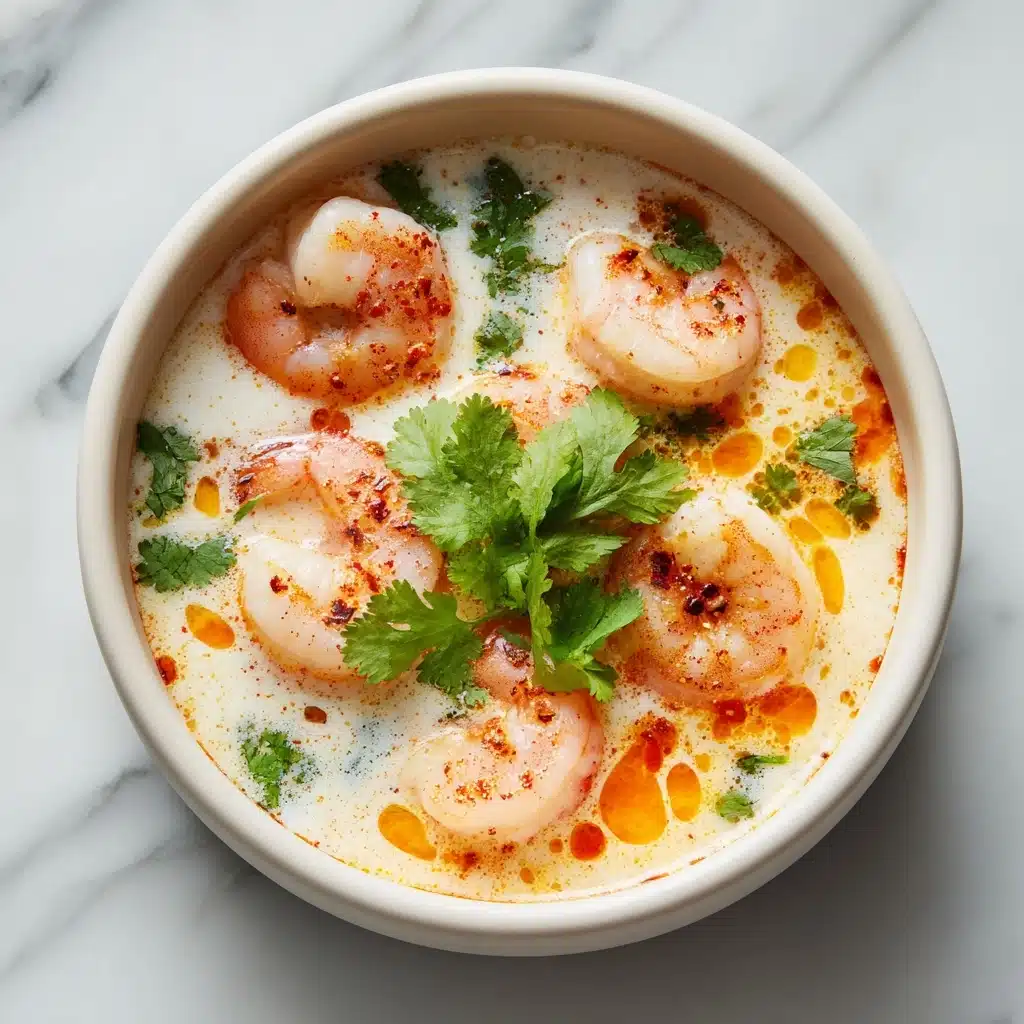
Mastering Thai Coconut Soup: Unlocking the Secrets to Perfect Tom Kha Gai
There are few dishes that transport you quite like a spoonful of authentic Thai Coconut Soup, known as Tom Kha Gai. It's a culinary journey in a bowl, instantly evoking memories of fragrant Thai kitchens and vibrant street food stalls. The moment the rich aroma of coconut milk, fragrant red curry, and zesty lime hits, you know you're in for a treat. This isn't just soup; it's an experience – a harmonious blend of creamy comfort and exhilarating zest that warms you from the inside out, leaving a lingering desire for just one more bite.
Over the years, many have fallen in love with Tom Kha Gai for its unique ability to be both luxuriously creamy and surprisingly light. It’s a versatile dish that satisfies on a chilly evening, yet feels fresh and invigorating even on a warm day. The key lies in balancing its core elements: the sweet richness of coconut, the aromatic depth of red curry paste, the savory umami of fish sauce, and the bright, uplifting tang of fresh lime. If you’ve ever yearned to recreate that restaurant-quality experience in your own home, you've come to the right place. This guide will walk you through the essential tips and secrets to crafting a truly perfect Thai Coconut Soup.
The Heart of Tom Kha Gai: Understanding Its Signature Flavors
At its core, Thai Coconut Soup (
Tom Kha Gai, where "Tom" means soup, "Kha" refers to galangal, and "Gai" means chicken) is a coconut milk-based soup celebrated for its delicate balance of sweet, sour, salty, and a touch of spicy flavors. While chicken is traditional, modern interpretations often feature shrimp (Tom Kha Goong) or tofu (Tom Kha Hed) to cater to diverse preferences. What makes this soup truly exceptional is its layering of flavors, creating a complex yet comforting profile that's truly addictive.
The star ingredients that define Tom Kha Gai's unique character include:
*
Creamy Coconut Milk: Providing the rich, velvety base that softens and unites all other flavors.
*
Aromatic Red Curry Paste: Offering a gentle heat and a complex blend of spices that gives the soup its soulful depth.
*
Zesty Lime Juice: The vital component that introduces a bright, tangy counterpoint, preventing the soup from feeling heavy and lifting all the other flavors.
*
Savory Fish Sauce: Delivering that quintessential umami, salty depth that is characteristic of Thai cuisine.
*
Fresh Aromatics: Ingredients like garlic and onion (and traditionally galangal, lemongrass, kaffir lime leaves) that infuse the broth with their distinctive, intoxicating fragrance.
Unlike some heavier cream-based soups, Tom Kha Gai achieves its decadent texture without being overwhelming. It's the fresh acidity from the lime and the vibrant herbs that keep each spoonful feeling lively and refreshing. This delicate interplay is what makes it a consistent crowd-pleaser, perfect for both cozy weeknight dinners and impressing guests.
Mastering the Ingredients: Selection and Preparation Secrets
The quality and preparation of your ingredients are paramount to achieving an authentic and delicious Thai Coconut Soup. Here’s how to select and handle them like a pro:
*
Coconut Milk: Always opt for
full-fat coconut milk for the richest, most luxurious texture. Before opening, shake the can vigorously to ensure the cream and water components are well combined, resulting in a smooth, consistent broth. While light coconut milk can be used, it will yield a less satisfying, thinner soup.
*
Chicken Breasts: For optimal tenderness and even cooking, slice chicken breasts thinly, against the grain. A secret tip for extra juiciness is to soak the sliced chicken in a small amount of salted water for about 10-15 minutes before cooking. This helps the chicken retain moisture and enhances flavor.
*
Chicken Broth: Choose a
low-sodium chicken broth. This allows you to control the overall saltiness of the soup, especially once you begin adding fish sauce, preventing the broth from overpowering the delicate coconut notes.
*
Red Curry Paste: This powerhouse ingredient provides much of the soup's flavor and color. Briefly toasting the paste in a bit of oil before adding liquids is a game-changer. This process, often called "blooming," awakens its aromatic compounds, intensifying its fragrance and depth. Select a high-quality Thai red curry paste for the best results.
*
Fish Sauce: A cornerstone of Thai cooking, fish sauce provides savory depth. Add it gradually, tasting as you go. This allows you to perfectly balance the saltiness and umami with the other flavors, as different brands can vary in intensity.
*
Onions and Garlic: Dice onions finely so they melt into the broth as the soup simmers, contributing a subtle sweetness without any undesirable crunch. Mince garlic finely and sauté it gently until fragrant, being careful not to burn it, which can impart a bitter taste.
*
Red Bell Pepper: Slice bell peppers into thin strips. This ensures they become tender but still retain a slight bite, adding textural contrast and a pop of color to the creamy broth.
*
Fresh Lime Juice: This is non-negotiable! The bright, acidic kick of
freshly squeezed lime juice is crucial for lifting and balancing the rich flavors. Bottled lime juice simply doesn't compare in terms of freshness and vibrancy, often tasting flat or even bitter.
*
Fresh Cilantro: Chop cilantro loosely and sprinkle it generously over individual servings just before serving. It adds a burst of fresh, herbaceous flavor and a beautiful green garnish that enhances the soup's appeal.
*
Optional Thai Aromatics: For truly authentic flavor, seek out fresh galangal (a cousin to ginger, but with a more floral, piney note), lemongrass, and kaffir lime leaves. These traditional ingredients are often bruised or gently crushed to release their essential oils, then simmered in the broth and removed before serving. If unavailable, many good recipes offer suitable substitutions that still result in a fantastic soup, though with a slightly different nuance. For more authentic flavor building, you might want to
Unlock Authentic Thai Coconut Soup: Creamy, Tangy Tom Kha Gai.
Crafting the Perfect Broth: Step-by-Step Excellence
Building a flavorful broth for your Thai Coconut Soup is an art. It’s about layering flavors strategically to achieve that signature complexity.
1.
Aromatic Foundation: Begin by gently sautéing your finely diced onions and minced garlic in a tablespoon of neutral oil in a large pot or Dutch oven over medium heat. Cook until softened and fragrant, about 3-5 minutes, being careful not to brown the garlic.
2.
Bloom the Curry Paste: Add your red curry paste to the pot. Stir it into the softened aromatics and cook for another 1-2 minutes, stirring constantly. This step is crucial for "blooming" the paste, deepening its flavor and releasing its intoxicating aromas.
3.
Liquid Magic: Pour in the full-fat coconut milk and low-sodium chicken broth. Stir well to combine, scraping up any bits from the bottom of the pot. If using traditional aromatics like bruised lemongrass, galangal slices, and kaffir lime leaves, add them now. Bring the mixture to a gentle simmer, but avoid a rolling boil, which can cause the coconut milk to separate.
4.
Cook the Protein: Add your thinly sliced, brined chicken breasts (or shrimp/tofu) to the simmering broth. Cook until the chicken is just opaque and cooked through, typically 3-5 minutes for chicken, or less for shrimp. Overcooking will make the protein tough.
5.
Flavor Balancing Act: This is where the magic happens. Start by adding fish sauce, a teaspoon at a time, tasting after each addition. The goal is a savory depth that complements the coconut and curry. Next, squeeze in fresh lime juice. Again, add gradually, tasting until you achieve a bright, tangy balance that cuts through the richness of the coconut milk. Some recipes also call for a touch of sugar (palm sugar is traditional) to balance the sourness and spice; add a pinch if you find the soup needs it.
6.
Vegetable Integration: Stir in your thinly sliced red bell pepper. Simmer for just a few more minutes until the peppers are tender-crisp. You want them cooked but still retaining some textural integrity. If you're using mushrooms, add them with the bell peppers.
7.
Final Adjustment: Do a final taste test. Does it need more salt (fish sauce), more tang (lime), a touch more sweetness? Adjust as needed. Remove any large pieces of galangal, lemongrass, or kaffir lime leaves before serving.
Serving and Savoring Your Restaurant-Quality Tom Kha Gai
Your homemade Thai Coconut Soup is now ready to impress! Serving it correctly enhances the entire experience.
Serve your piping hot Tom Kha Gai in deep bowls, garnished generously with freshly chopped cilantro. A side of steamed jasmine rice is the perfect accompaniment, allowing you to soak up every drop of the luxurious, flavorful broth. This soup is equally satisfying on its own or as part of a larger Thai meal.
Storage and Reheating:
Leftover Thai Coconut Soup can be stored in an airtight container in the refrigerator for up to three days. When reheating, gently warm it on the stove over low heat or in the microwave. Be careful not to boil it vigorously, especially if it contains chicken, as this can make the chicken tough and potentially cause the coconut milk to separate slightly. Stir gently while reheating.
Can You Freeze Thai Coconut Soup?
While tempting for meal prep, freezing Thai Coconut Soup is generally not recommended. The high fat content of coconut milk tends to separate during the freezing and thawing process, resulting in a grainy or oily texture that compromises the soup's velvety consistency. It's best enjoyed fresh or within a few days from the refrigerator.
This incredible soup effortlessly transitions from a comforting weeknight meal to an elegant starter for entertaining. Its bold, vibrant flavors satisfy both adventurous palates and those seeking a familiar comfort. For more ideas on how to incorporate this dish into your routine, check out
Cozy & Quick: Thai Coconut Soup for Weeknights & Family Meals.
Embrace the Flavors: Your Journey to Perfect Tom Kha Gai
Mastering Thai Coconut Soup, or Tom Kha Gai, is a truly rewarding culinary endeavor. It's about more than just following a recipe; it's about understanding the synergy of its core ingredients and the art of balancing flavors. From selecting the creamiest coconut milk and blooming the aromatic curry paste to ensuring your chicken is perfectly tender and finishing with a vibrant squeeze of fresh lime, each step contributes to that unforgettable, restaurant-worthy experience. By embracing these essential tips and techniques, you're not just making a soup; you're crafting a bowl of comfort, excitement, and authentic Thai deliciousness. So grab your spoon, and get ready for this cozy, flavor-packed soup to become a cherished family favorite.